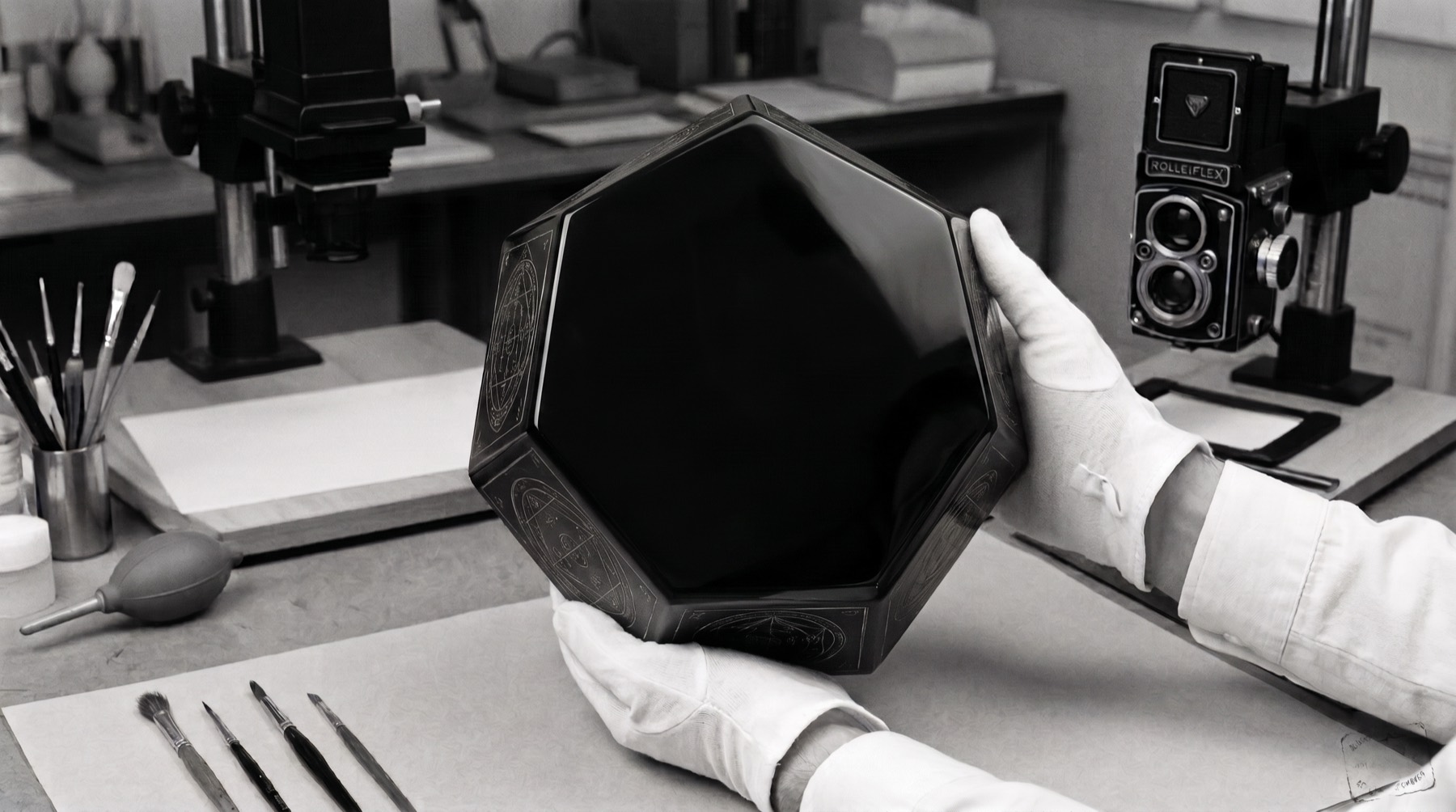
About
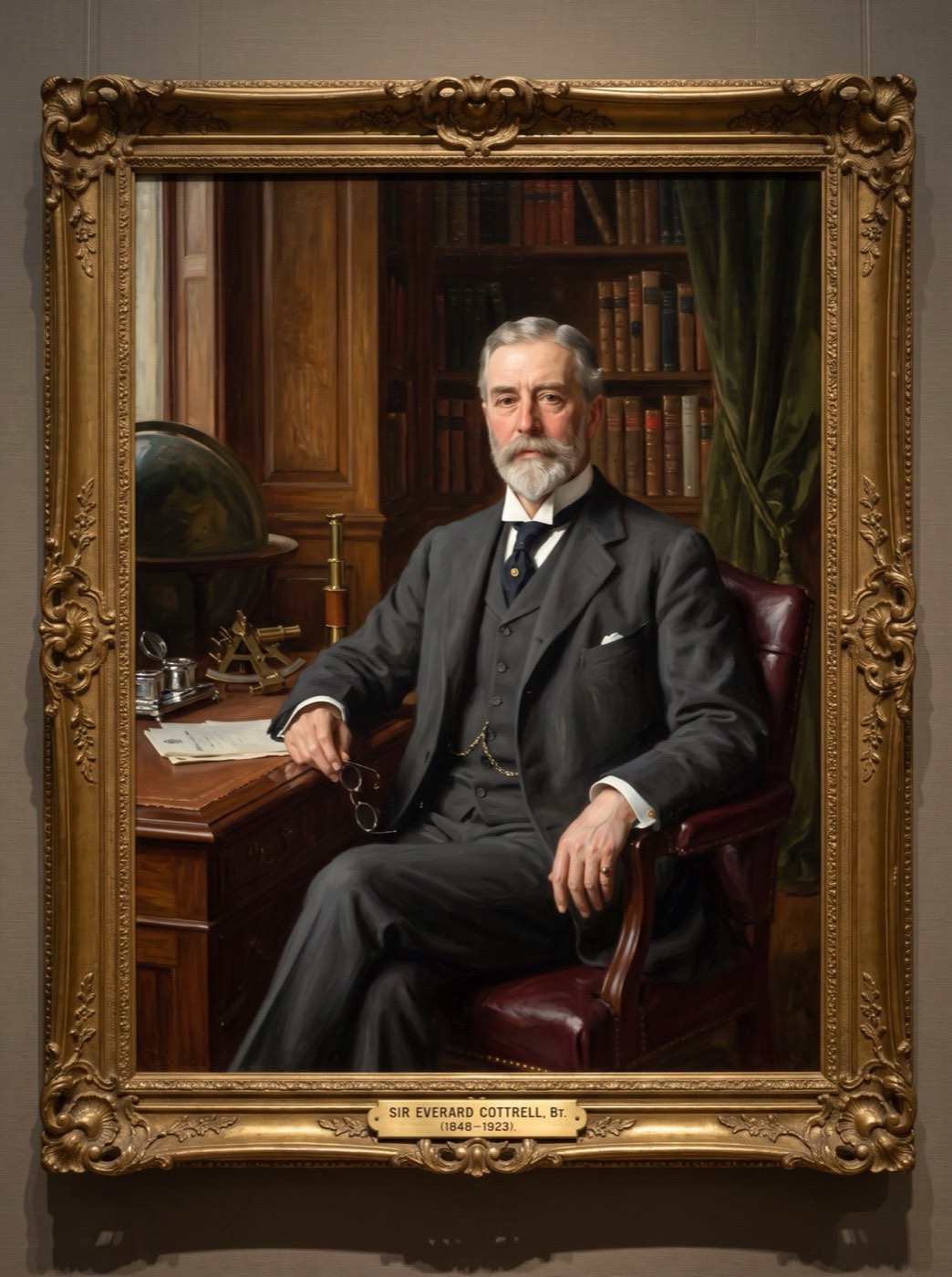
The Vaughan Institute was established in 1907 by Sir Everard Cottrell, Bt. (1848–1923), whose library of hermetica formed its founding collection. It is named for Thomas Vaughan (1621–1666), the Breconshire-born philosopher who published in London under the name Eugenius Philalethes, and whose twin brother Henry is better remembered. The choice of dedication was Cottrell’s own, and was, characteristically, a judgement: Vaughan is honoured here not as a member of any society, but as a man who examined the claims of his contemporaries and declined them.
The Institute is a charitable trust administered by five Trustees. Its staff comprises the Keeper, the Librarian, and such volunteers as can be persuaded. It publishes Cygnus: Notes and Papers of the Vaughan Institute, founded 1923, second series 1978, appearing twice yearly as circumstances allow.
The Institute was renamed in 1978 to reflect the vocabulary of the field as it is now studied in universities. The brass plate beside the door retains the earlier style, the Trustees having not seen reason to replace it.